
Comparing Heat Pump and AC Quotes? 4 Installation Details That Matter More Than the Brand
Why the Brand Is the Least Useful Line on a Quote
When homeowners compare heat pump or air conditioning quotes, the first thing they usually look at is the brand and the price. Both matter, but neither tells you much about how the system will perform. Most comfort complaints, early failures, and surprise repair bills we see trace back to how a system was designed and installed — a skipped sizing step, a poorly sealed wall opening, a missing permit — not to the logo on the outdoor unit. A well-made unit installed badly will underperform for its whole life. The four items below are the ones worth confirming on every quote you receive, so you are comparing like for like.
Your Four-Point Quote Checklist
Before you sign, check that each quote clearly includes the following. If a line is missing, ask about it directly — the answer tells you a lot about the rest of the installation.
- A variable-speed (inverter) system, not a single- or two-stage unit.
- A room-by-room heat loss and heat gain calculation, not sizing by square footage or by the old unit.
- A properly sleeved and sealed wall penetration where the refrigerant lines and wiring enter the home.
- An electrical permit and inspection, pulled by the contractor.
1. Inverter vs. Single- or Two-Stage Systems
The biggest difference between systems is how the compressor runs. A single-stage unit is either fully on or off. A two-stage unit has a high and a low setting. An inverter (variable-speed) system adjusts its output continuously to match what the home needs at that moment. In practice, that means:
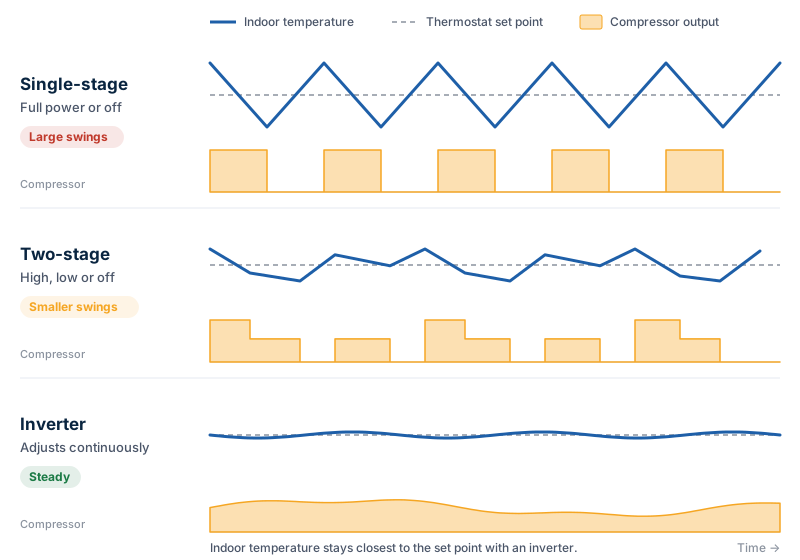
- Lower energy use — the system runs at the output the house needs instead of cycling on at full power and shutting off again.
- Steadier temperatures, without the warm-cool swings of a unit that keeps starting and stopping.
- Better humidity control in summer, because longer, slower run times pull more moisture out of the air.
- Quieter operation indoors and out, with soft starts instead of a full-power kick every cycle.
- Less wear on the compressor and electrical parts, which generally means fewer breakdowns.
- Heating as well as cooling — in BC, where most of the value of a heat pump comes from winter heating, a variable-speed unit keeps delivering heat efficiently through our mild, damp winters.
2. A Proper Heat Loss and Heat Gain Calculation
Sizing is where many installations go wrong. A system chosen by square footage, or by matching the old unit, is often too big or too small. An oversized unit short-cycles, wastes energy, and leaves rooms clammy; an undersized one runs constantly and falls behind on the coldest and hottest days. In Canada, the standard for residential heating and cooling loads is CSA F280, and a proper calculation looks at the house itself:
- Insulation levels, windows, air tightness, orientation, and layout — two homes with the same square footage can need very different systems.
- The existing ductwork, including the number and size of supply and return vents, so the system is matched to the airflow the house can actually deliver.
- Local design temperatures for your area of Greater Vancouver or the Fraser Valley.
3. A Sleeved, Sealed Wall Penetration
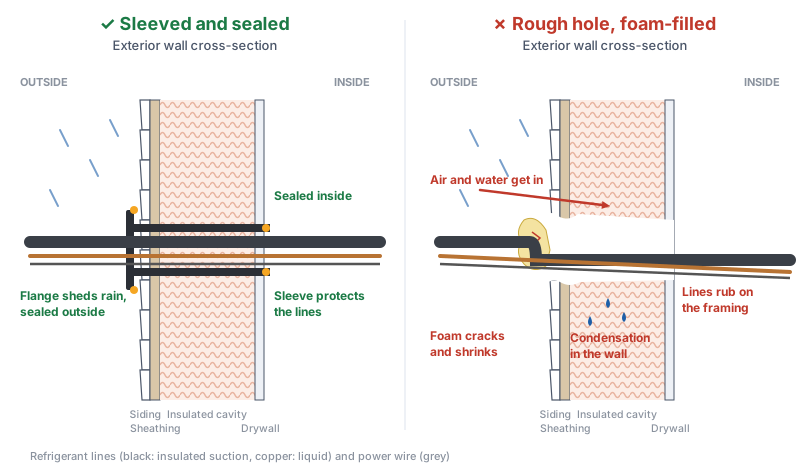
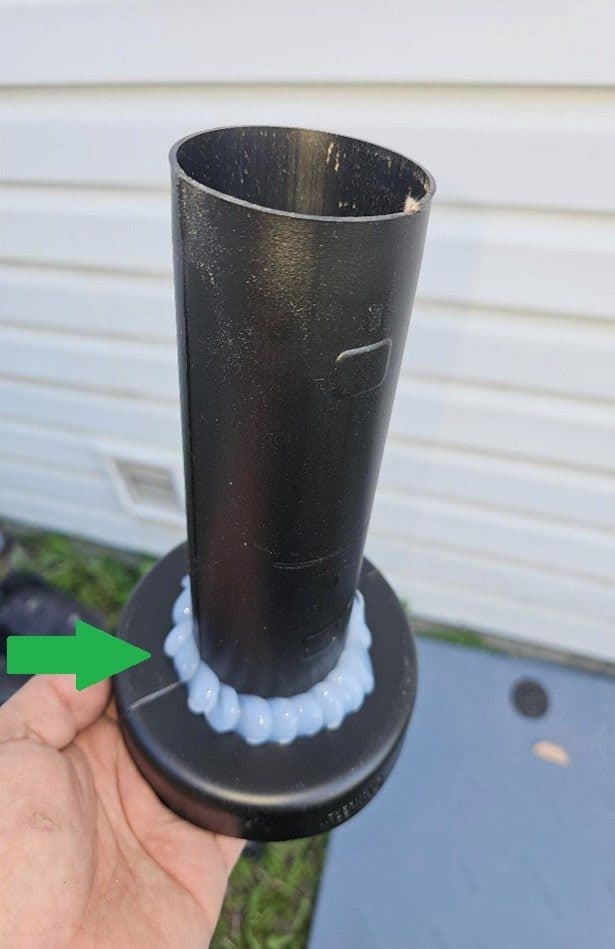
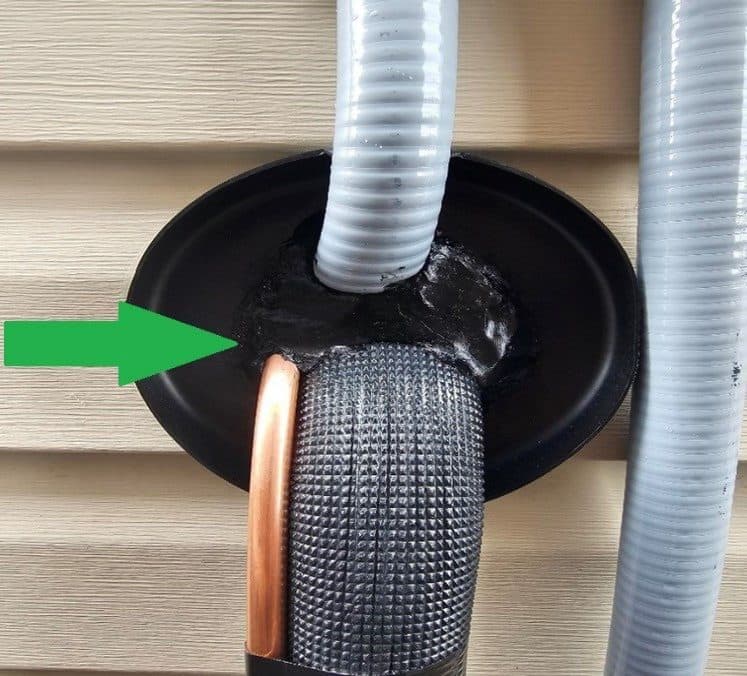
The refrigerant lines and wiring between the outdoor unit and the indoor equipment have to pass through an exterior wall. How that opening is finished is easy to overlook and hard to fix later. A proper sleeve (sometimes called a thermo thimble or line-set wall sleeve), sealed on both the inside and the outside, does several jobs at once:
 ✓ Done right
 ✓ Done right
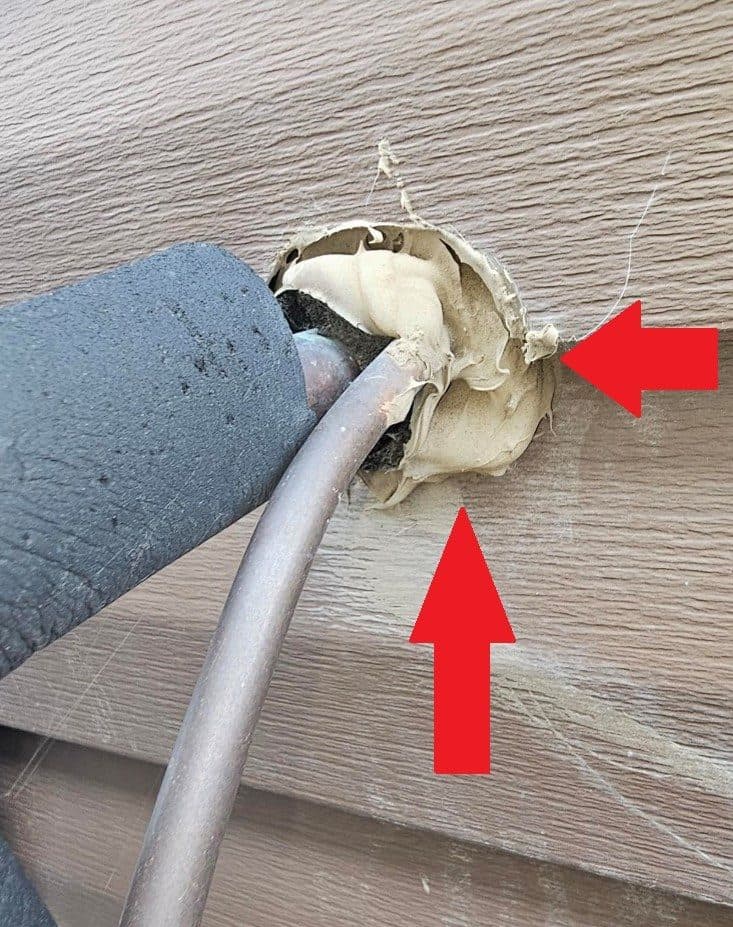 ✗ Avoid
- Keeps outside air, and BC's rain, from getting into the wall cavity.
- Protects the refrigerant lines from rubbing against framing or siding as the house moves, which can cause leaks over time.
- Reduces condensation from cold refrigerant lines inside the wall, and with it the risk of hidden moisture and mould.
- Closes a common entry point for insects and rodents.
- Looks neat and finished, instead of a hole packed with foam and caulking.
4. An Electrical Permit and Inspection
Every heat pump or air conditioner installation involves electrical work: a dedicated circuit, a breaker sized to the equipment, a disconnect, and proper grounding. In BC, that work needs an electrical permit — issued by Technical Safety BC, or by your municipality in cities that run their own permitting, such as Vancouver. The permit is not just paperwork:
- An independent inspector checks the wiring, breaker sizing, and grounding against the current electrical code.
- It protects you if something goes wrong — manufacturers and insurers can question claims involving unpermitted work.
- It avoids problems when you sell or renovate, when buyers and inspectors may ask for proof that permits were pulled.
What Good Workmanship Looks Like
Some of the difference between installations is visible from the side yard. Refrigerant lines and wiring should run straight, be fastened to the wall, and enter the house through a sealed opening. Loose, looping, or unsupported lines are more than an eyesore: they can vibrate, chafe, and let water in over time.
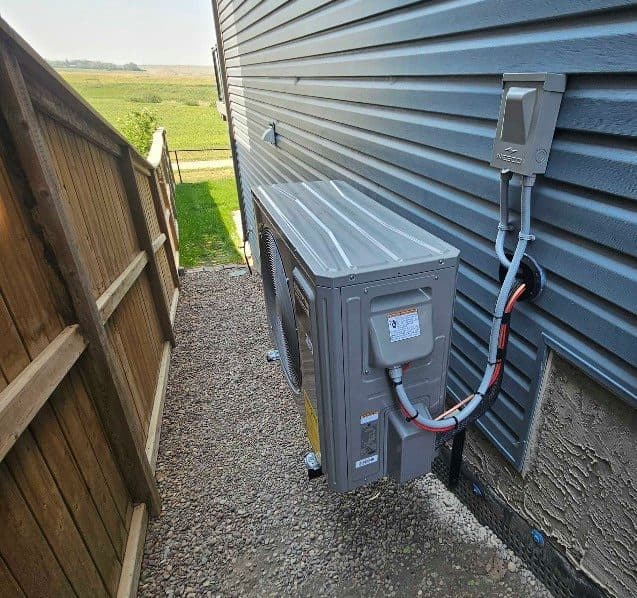 ✓ Done right
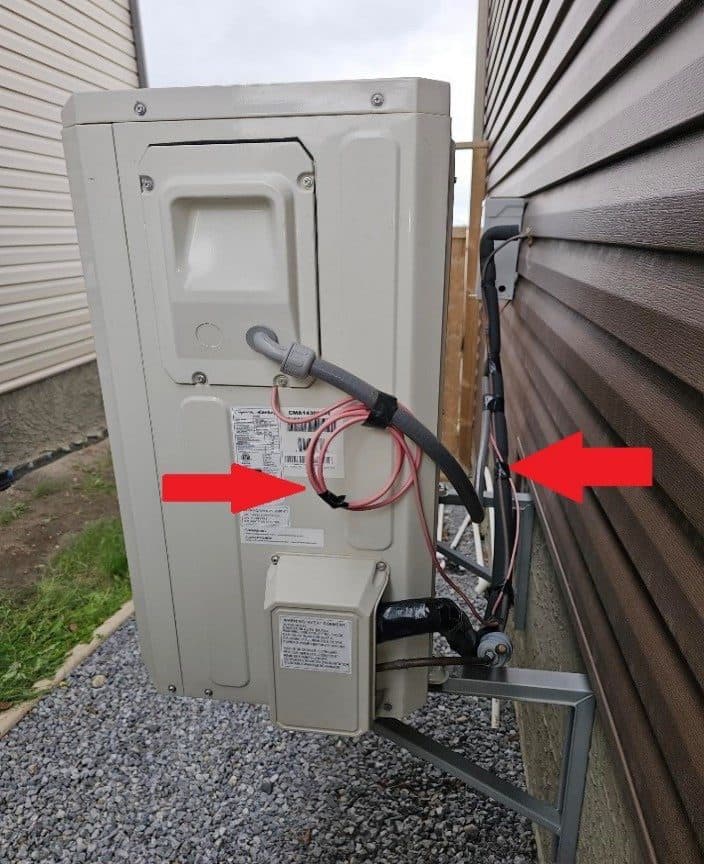 ✗ Avoid
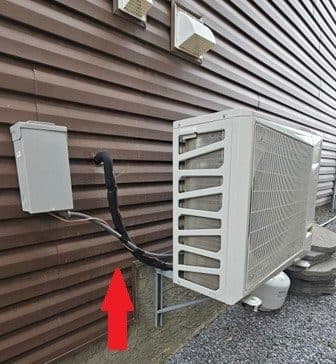 ✗ Avoid
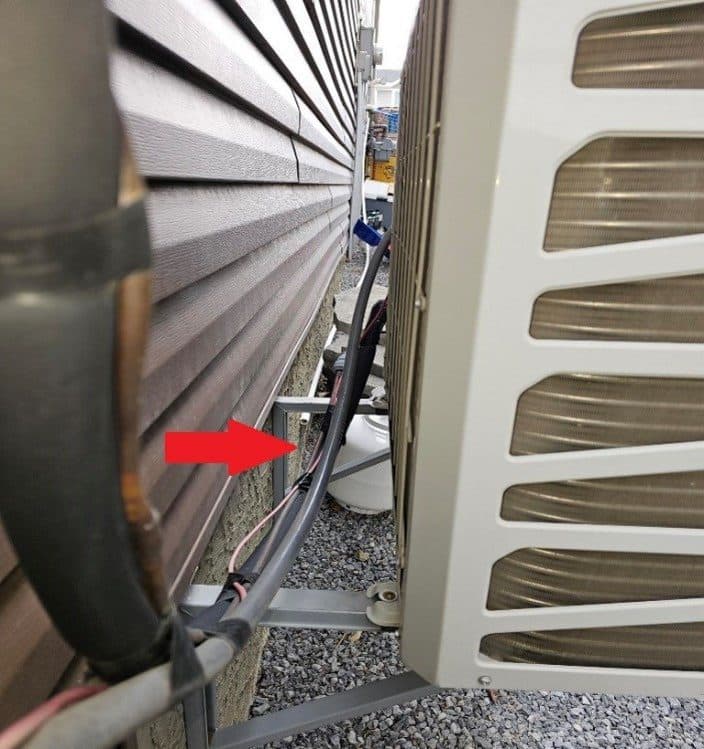 ✗ Avoid
Questions to Ask When a Line Item Is Missing
If one quote is noticeably cheaper, it is often because something on this list has been left out. It is fair to ask each contractor directly:
- Is this a variable-speed (inverter) system? What is its heating performance at our local winter temperatures?
- Can I see the heat loss and heat gain calculation used to size this system?
- How will the wall penetration be sleeved and sealed, inside and out?
- Who pulls the electrical permit, and is the inspection included in the price?
How Season Energy Quotes Every Installation
Every quote we prepare includes each item on this checklist, spelled out so you can compare it line by line with anyone else's. We also check which rebates your project qualifies for before anything is installed.
- A heat loss and heat gain assessment of your home, so the system is sized to the house rather than a rule of thumb.
- Variable-speed equipment selected to meet both rebate eligibility requirements and the BC Building Code.
- Clean, sealed installations with permits pulled on your behalf.
- A rebate eligibility check across CleanBC, BC Hydro, FortisBC, and municipal programs.
- Installation by Red Seal technicians.
The Bottom Line
The quote with the best-known brand, or the lowest price, is not automatically the best value. What decides how comfortable your home is, how much the system costs to run, and how long it lasts is how it is sized and installed. Use the four-point checklist on every quote you receive, ask about anything that is missing, and you will be comparing installations — not just equipment.
Ready to Lower Your
Energy Costs?
Get a free, no-obligation quote for any of our services. Our experts will assess your property and recommend the best energy solutions.